What It’s Like To Live In Graton’s Wine Country Village
April 2, 2026
April 2, 2026
If you are looking for a West Sonoma County village that feels quiet, connected, and full of local character, Graton stands out fast. It is small enough to feel personal, yet it offers a rhythm shaped by wine country, longtime local businesses, and easy access to the outdoors. If you are wondering what daily life here really feels like, this guide will walk you through the setting, amenities, housing feel, and lifestyle tradeoffs that come with living in Graton. Let’s dive in.
Graton is an unincorporated community in west Sonoma County with 1,683 residents and 725 housing units counted in the 2020 Census. The village sits in a valley bordered by Sebastopol, Occidental, Forestville, and Santa Rosa, in an area historically tied to Green Valley, according to the Graton Community Services District and U.S. Census mapping data.
That small scale shapes almost everything about life here. Graton is not trying to be a full-service city with a large downtown or major retail corridors. Instead, it feels like a tucked-away village where the setting, local businesses, and pace of life matter as much as square footage or commute times.
One of the clearest things you notice about Graton is how closely food, wine, and everyday life overlap. Sonoma County Tourism describes it as a laid-back village with a small-town mix of artists, artisans, writers, retirees, and working families, while also noting the area’s transition from apple country to wine country.
That wine country identity does not feel separated from the village itself. In Graton, tasting rooms and restaurants are part of the local fabric, which gives the town a social, lived-in feel rather than a purely visitor-driven one.
Downtown Graton is tiny, and that is part of its appeal. Sonoma County Tourism describes it as a block-long main street with 19th-century storefronts, where businesses like Willow Wood Market Cafe, Underwood Bar & Bistro, and Mexico Lindo help anchor daily life and casual meetups.
Because the commercial core is so compact, places tend to feel familiar quickly. You are not navigating a busy urban district. You are moving through a small cluster of businesses that give the village much of its identity.
Wine tasting in Graton feels woven into the village rather than staged around it. Bowman Cellars has a tasting room on Graton Road with a garden patio, and Sonoma County Tourism notes that Paul Mathew Vineyards also operates a tasting room in town with a backyard setting and events.
That matters if you want a community where wine country is part of everyday atmosphere. In Graton, these spaces often feel more like neighborhood gathering spots than isolated attractions.
Graton may be small, but it has a visible creative side. Graton Gallery says its gallery and adjacent sculpture garden showcase work from more than 50 local artists, and Sonoma County Tourism highlights the village as a place to browse fine art, pottery, crafts, antiques, and gifts.
For you as a resident, that adds texture to daily life. The village does not rely on scale to create interest. It relies on independent businesses, local makers, and a sense that creativity is part of the place.
One of Graton’s biggest practical advantages is how easily you can get outside. The village connects directly to the West County Regional Trail, a mostly paved 5.5-mile route linking Sebastopol, Graton, and Forestville.
For many buyers, this is more than a recreation perk. It is the kind of amenity that supports a daily routine, whether that means morning walks, bike rides, or a simple way to enjoy the rural scenery close to home.
According to Sonoma County Regional Parks, the trail offers views of farms, pastures, and vineyards. North of Graton, it becomes a boardwalk through the Atascadero Creek Ecological Reserve, giving the route a more immersive natural feel.
That kind of access helps Graton feel connected without feeling busy. You can move through town and into a broader West County landscape with very little friction.
Another nearby outdoor asset is Hallberg Butterfly Gardens, a nine-acre wildlife sanctuary focused on butterflies and pollinators. The nonprofit reports that more than 54 butterfly varieties have been recorded there, with public visits available by appointment during the April-to-October season.
This is not a high-traffic attraction. It is a more local, low-key example of the kind of nature access that supports Graton’s quieter identity.
Living in Graton is less about having everything in one place and more about having the essentials in an easy, approachable setting. Sonoma County Tourism notes that people can move between shops, markets, tasting rooms, antique stores, and the trail corridor with ease, even though the business district is very small.
In practical terms, that means you may enjoy a self-contained feel for casual outings and local errands. At the same time, because Graton’s commercial core is limited, broader services and more extensive shopping will often mean heading to nearby communities like Sebastopol or Santa Rosa.
Graton also shows signs of continued community investment. The Graton Community Services District says it has completed acquisition of the last undeveloped parcel downtown for the future Graton Town Square, and Sonoma County Tourism notes the square is intended to host markets, music, and cultural experiences.
That is a meaningful detail if you value places with active local stewardship. It suggests Graton is not only preserving its village identity, but also building shared public space that can support community life over time.
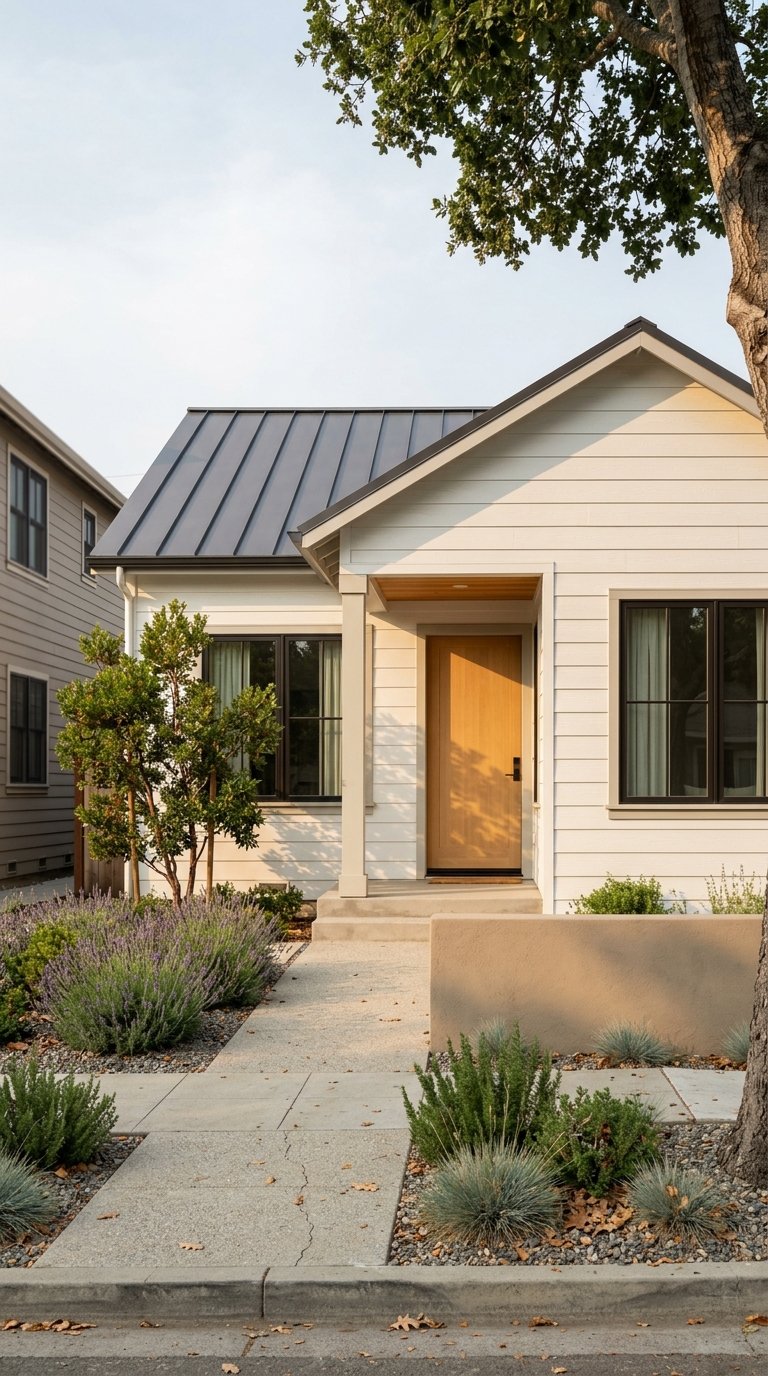
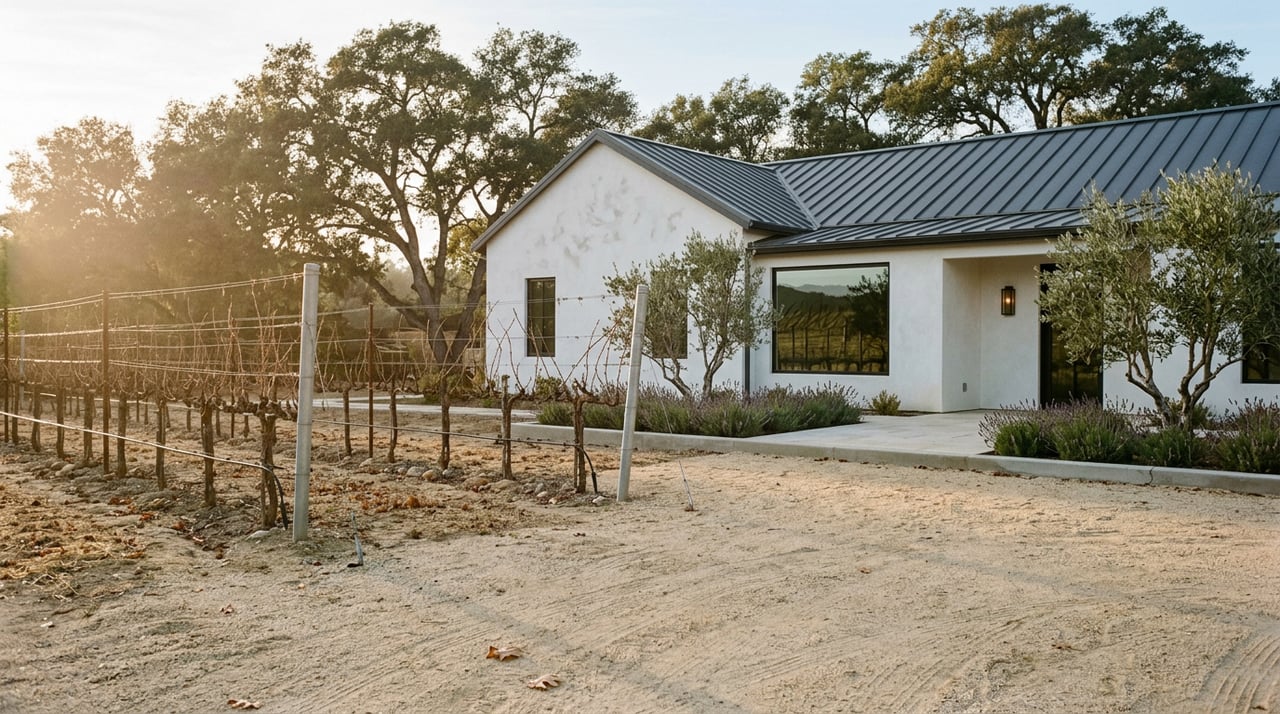
If you are considering a move here, Graton will likely appeal most if you want a residential setting that feels more country-lane than suburban. The village’s small footprint, local-business core, and rural surroundings create a lifestyle that is quiet and place-driven.
The tradeoff is that inventory is naturally limited because Graton is small. Buyers drawn to this area are often responding to the feel of the village itself, along with its location in West Sonoma County and proximity to Sebastopol, Forestville, and Santa Rosa.
Graton may be a strong fit if you are looking for:
If you want a larger downtown, more nightlife, or a wider range of daily services within minutes, Graton may feel too small. That does not make it less appealing. It simply means the right fit depends on the kind of pace and setting you want.
For households planning around school routines, Oak Grove Union School District says it serves West Santa Rosa, Sebastopol, and Graton, including Oak Grove Elementary and Willowside Middle.
From a lifestyle perspective, that means daily routines may involve short drives rather than a large school campus in the center of town. As with many small West County communities, logistics are part of the overall rhythm of living here.
Living in Graton means choosing a village that feels intimate, local, and distinctly West Sonoma County. You get a compact main street, a strong food-and-wine identity, visible arts culture, trail access, and a pace that feels removed from larger commercial centers.
For the right buyer, that combination is exactly the point. If you want help deciding whether Graton fits your lifestyle, or you want guidance on available homes in this part of Sonoma County, you can request a personal consultation with The Hedges • Davis Group.
If you're seeking a real estate professional who combines unparalleled dedication, market expertise, and genuine kindness, The Hedges • Davis Group is a perfect choice.

Timothy Hedges | CA DRE# 01368460
[email protected]
(707) 696-7325
6790 McKinley St #120
Sebastopol CA 95472