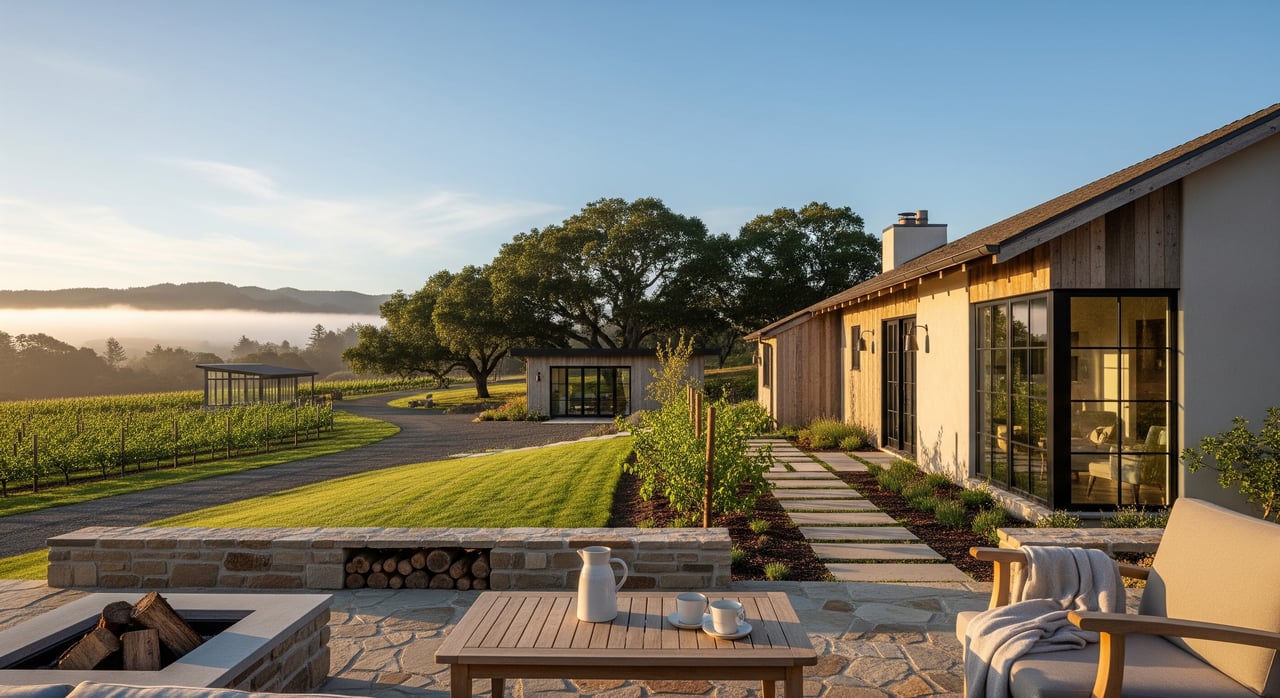
What Daily Life Looks Like On Sebastopol Acreage
February 5, 2026
February 5, 2026
Ever picture your mornings starting with golden light over apple trees, a mug of coffee, and a short walk to your garden or studio? If you are drawn to Sebastopol’s blend of rural calm and creative energy, small acreage can be a great fit. You want to know what daily life actually looks like, how the seasons shape your routine, and what systems you will rely on. This guide lays out the rhythms, responsibilities, and rewards so you can picture the lifestyle clearly and plan with confidence. Let’s dive in.
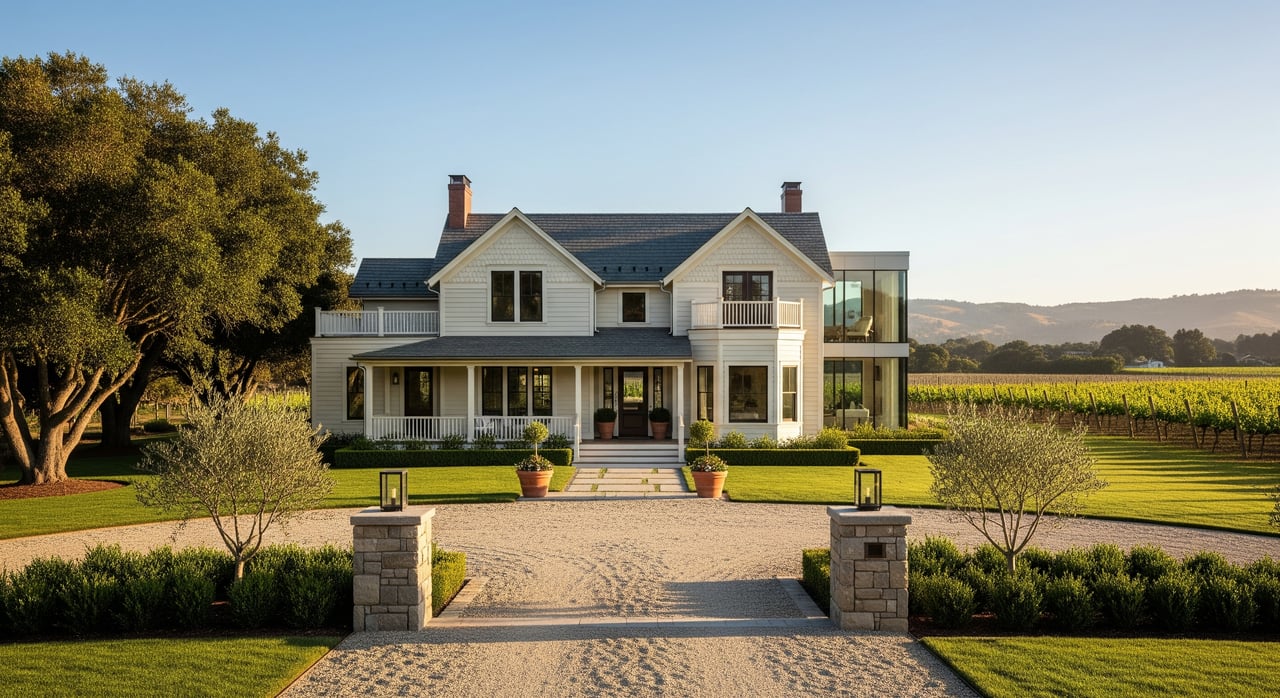
Sebastopol’s acreage often means parcels from a half-acre up to 5–10 acres in the rural-residential areas surrounding town. You will see hobby orchards, small vineyards, extensive gardens, and a few pasture animals on many properties. Outbuildings like sheds, barns, or greenhouses are common and often double as workshop or studio space.
The landscape mixes valley floors with gentle ridgelines. Soils vary from clay to loam to sandy pockets, often shaped by past use as orchards, vineyards, or woodland. You may still find remnants of old irrigation lines or root systems from the area’s Gravenstein apple history.
Expect practical structures: a tool shed or small barn, a greenhouse or cold frames, and covered spots for equipment. Water can come from municipal connections in or near town or from private wells and cisterns on rural sites. Rural wastewater usually relies on septic systems sized to the home and any accessory use.
Mornings often start with a quick irrigation check and a walk-through to spot any early pest or disease issues. During late winter and spring, you will prune or trellis, and in summer you will keep up with watering and weed management. Harvest runs late summer into fall, with time set aside for processing, sharing, or selling surplus fruit. Afternoons might include equipment upkeep and light admin if you sell locally.
Animals add rhythm and responsibility. You will feed and check water in the morning, clean the coop or stalls, and walk fences for damage. Midday might include rotating pasture, mowing, garden work, or short trips into town. Evenings bring a second round of feed and water checks and securing animals for the night.
If your property includes a studio, your day may be a blend of creative work and light land care. You might handle quick outdoor tasks in the morning, then settle into focused work with periodic breaks to water beds or tidy tools. Evenings are for property checks, closing up the studio, and planning the next day’s projects.
West Sonoma County’s Mediterranean climate brings wet winters and dry summers with a coastal influence. Your yearly cycle will mirror the weather: pruning and soil work in late winter, planting and pest monitoring through spring, irrigation and care in summer, and harvests in late summer into fall. Late fall and early winter are when you clear leaves and debris, maintain equipment, and prepare systems for storms. The calendar keeps you active, but most tasks can be paced into manageable blocks.
Rural parcels often rely on private wells, shared wells, or rainwater capture in addition to or instead of municipal water. That means you will check pump function, watch groundwater levels in drought years, and budget for repairs over time. For regional planning and groundwater context, explore guidance from Sonoma Water. During summer, consistent irrigation checks become part of your routine.
Most acreage uses septic systems sized to the home and any accessory use, such as an ADU or studio with plumbing. Routine pump-outs and inspections help avoid surprises, and septic setbacks can influence where you place new structures. For permits and system standards, refer to Sonoma County Permit & Resource Management.
Electricity is widely available, though rural lines can see occasional outages in storm or fire seasons. Many owners keep a small generator or battery backup for essentials. Internet and cellular strength vary by micro-area, so verify service at the home, studio, and outdoor work zones before you commit. Access is usually via private driveways, often unpaved, with seasonal maintenance and dust control as part of the routine.
California’s ADU laws make it easier to add a guest unit or workspace, but local permitting still applies. Plan for setbacks, utility connections, and site-specific conditions like septic capacity. Get oriented with the California Department of Housing and Community Development ADU guidance and then confirm details with county permits. Agricultural structures such as barns or larger greenhouses may need permits depending on size and utility hookups.
Keeping a small flock of hens or a few goats or sheep is common on Sebastopol acreage, subject to local codes and any covenants. Daily life includes feed, water, shelter care, and ongoing predator-proofing. Thoughtful fencing and shelter placement help you minimize noise and odor impacts. For practical care and small-livestock basics, tap resources from UC Cooperative Extension.
Wildfire is a reality across Sonoma County, and it shapes daily and seasonal routines. Expect to create and maintain defensible space, manage vegetation, and keep hoses, pumps, and an evacuation plan ready. To understand hazard zones and safety practices, review CAL FIRE’s fire hazard and defensible space guidance. Wildfire exposure can affect insurance availability and premiums, so factor that into your budget and due diligence. Stay current with the California Department of Insurance for mitigation programs and shopper guidance.
Acreage living is hands-on. Regular chores like irrigation checks, pruning, compost management, and fence repair are part of the week. Many owners reduce labor with ride-on mowers, small tractors, or drip irrigation, and some hire periodic help for seasonal surges. The learning curve is real, and local networks and classes can help. For site-appropriate gardening and irrigation tips, the Sonoma County Master Gardeners offer helpful guidance.
Financially, plan for upfront assessments of well and septic, possible fencing or starter plantings, and any outbuilding or ADU plans. Ongoing costs include electricity for pumps, equipment maintenance, taxes, insurance, and occasional permits or inspections. Some owners offset costs by selling surplus produce or offering low-impact experiences where allowed, but that depends on zoning and local rules.
One of Sebastopol’s advantages is proximity. Many rural parcels sit minutes from groceries, farmers’ markets, cafes, and services in town. That means you can do a feed run or grab coffee between chores, then return to your quiet pocket of countryside. For community services and local updates, the City of Sebastopol maintains resources for residents.
Use this as a quick reference during your search and inspections:
Daily life on Sebastopol acreage can be deeply satisfying if you enjoy hands-on care of land and systems. Your days will follow the seasons, with a steady rhythm of small tasks and a few big pushes at harvest or during storm prep. With the right property match, you can balance quiet, space, and creativity with easy trips into town.
If you are ready to explore acreage with a local, relationship-first guide, request a personal consultation with The Hedges • Davis Group. We combine on-market search with curated, priority access to off-market opportunities and help you evaluate the fit, from water and septic to building plans and fire readiness.
If you're seeking a real estate professional who combines unparalleled dedication, market expertise, and genuine kindness, The Hedges • Davis Group is a perfect choice.

Timothy Hedges | CA DRE# 01368460
[email protected]
(707) 696-7325
6790 McKinley St #120
Sebastopol CA 95472