ADU Basics In Rohnert Park And Cotati
December 18, 2025
December 18, 2025
Thinking about adding a backyard cottage or converting your garage in Rohnert Park or Cotati? You’re not alone. ADUs and JADUs are helping owners create flexible space, rental income, and multigenerational living while staying within California’s streamlined rules. In this guide, you’ll get a clear overview of what’s typically allowed, how parking and permits work, what timelines and costs to expect, and how an ADU can impact resale. Let’s dive in.
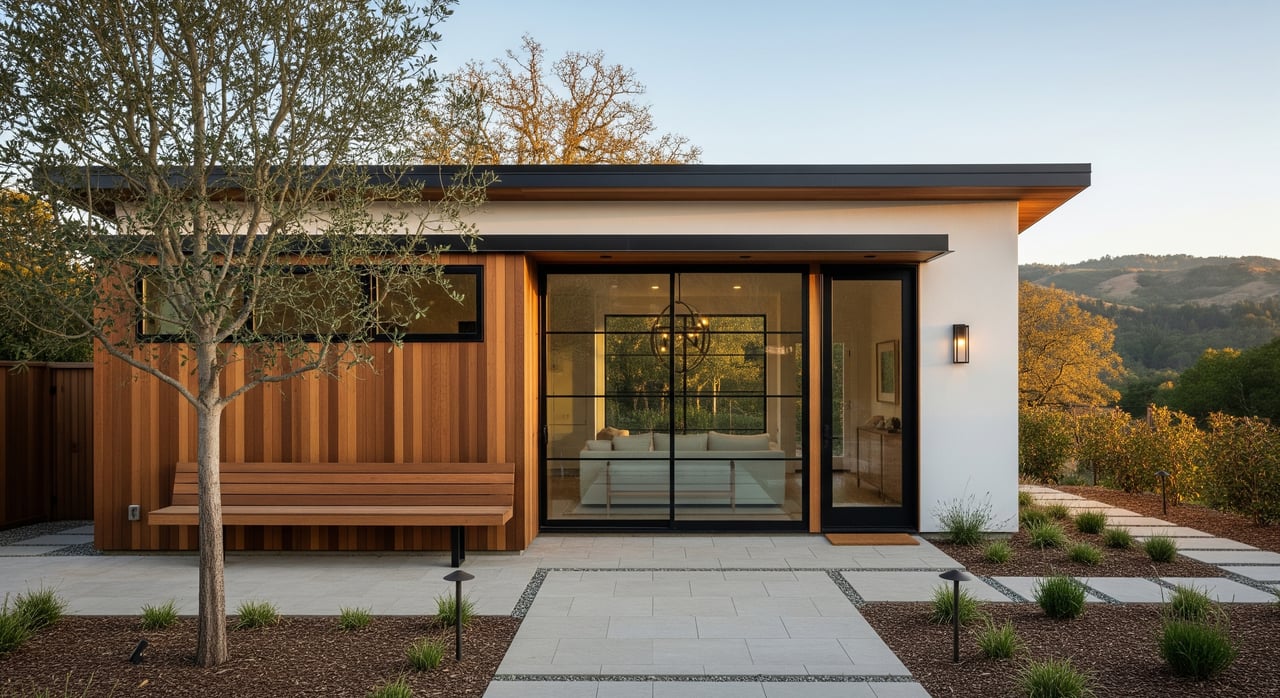
An accessory dwelling unit, or ADU, is a self-contained home on the same lot as a primary residence. It can be detached in the backyard, attached to the main house, or created by converting existing space.
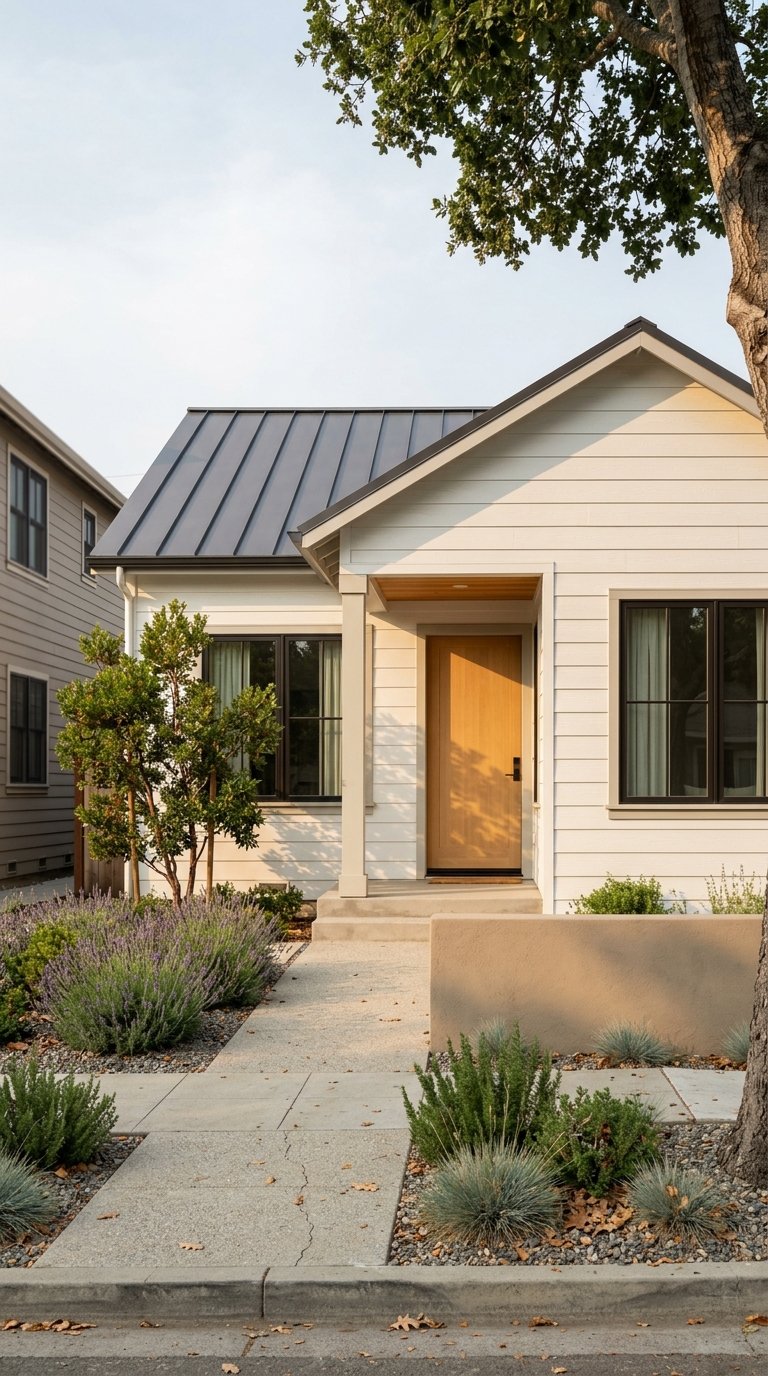
A junior ADU, or JADU, is a smaller unit created within the walls of the primary home. It usually includes an efficiency kitchen and its own entrance.
Across California, local cities generally must allow a baseline of both ADUs and JADUs on most single-family lots and in many multifamily zones. State rules set the framework, while each city applies objective design, safety, and utility standards.
In both Rohnert Park and Cotati, ADUs are typically allowed in single-family neighborhoods and many multifamily areas, provided you meet objective standards. You’ll still need to confirm your zoning, lot coverage, and any overlays that affect design or placement.
If you live in a community with an HOA, you can usually build an ADU, but you may need to follow objective design rules. Always check CC&Rs and any deed restrictions early.
California’s framework sets common minimums that many cities use. Detached ADUs are commonly allowed up to a maximum that often reaches 1,200 square feet in many jurisdictions. JADUs are typically up to 500 square feet within the primary dwelling.
State law also limits how strict local setbacks can be for new detached ADUs. Many cities allow reduced side and rear setbacks, with additional rules for fire zones or special districts. Height and lot coverage are set locally, and many places cap detached ADUs to one or one-and-a-half stories. Plan to confirm the exact height and setback standards with each city before you finalize a design.
Parking is often simpler than you expect. State law limits when cities can require new off-street parking for ADUs. Many projects do not trigger new parking if any of the following apply:
If parking is required, cities often allow flexible solutions like tandem parking or using existing driveway space. Always verify how Rohnert Park or Cotati interprets these allowances on your specific lot.
Most homes in Rohnert Park and Cotati use municipal water and sewer. Your ADU may require a separate connection or a capacity review. Plan for potential connection fees and, in some cases, meter upgrades.
Impact fees for smaller ADUs are limited under state rules, and some projects see reduced or waived fees. Exact amounts vary by city and change over time, so include a fee check in your early budgeting.
If your property is near open space or in a wildland-urban interface area, fire safety standards may affect placement, materials, and landscaping. Expect to incorporate defensible space and noncombustible materials as required.
For many code-compliant ADUs and JADUs in Rohnert Park and Cotati, the review is ministerial. That means if you meet objective standards, staff can approve your project without a public hearing.
Typical steps include:
Timelines vary. A simple interior conversion or JADU can take about 2 to 6 months from start to finish. A detached new-build ADU typically runs 6 to 12 months or more, depending on complexity and contractor availability.
It helps to sketch a high-low budget early, then refine it with contractor bids. Broad regional ranges look like this:
Most owners use a mix of cash, home equity, construction loans, or refinancing. Lender requirements can vary, especially if you plan to count rental income, so loop in your lender early.
ADUs can typically be rented long-term. Short-term rentals may be restricted or regulated locally, so confirm the rules for your address before you plan for vacation rental income.
Recent state changes reduced or removed owner-occupancy requirements in many situations, but local details change. If owner-occupancy matters to your plan, verify current requirements with the city.
A well-designed, permitted ADU often boosts a home’s marketability. Buyers value flexibility for multigenerational living, guest space, or rental income that can help with monthly payments.
How much value an ADU adds depends on the neighborhood, the quality of the build, and comparable sales. Appraisers consider similar properties and may also use an income approach if the ADU is rented. Precise value capture varies, so documentation is key.
When you sell, provide a clean package: permits and final approvals, plans, rent history if applicable, and utility setup. Buyers gain confidence when a unit is clearly legal and functional.
If you want a second set of eyes on resale impacts, rental positioning, or neighborhood comps with ADUs, we’re happy to help you think it through.
Ready to explore how an ADU fits your goals in Rohnert Park or Cotati? Connect with the experienced local team at The Hedges • Davis Group for a personal consultation.
If you're seeking a real estate professional who combines unparalleled dedication, market expertise, and genuine kindness, The Hedges • Davis Group is a perfect choice.
Timothy Hedges | CA DRE# 01368460
[email protected]
(707) 696-7325
6790 McKinley St #120
Sebastopol CA 95472