The Ultimate Buyer's Guide to Luxury Estate Properties in Sonoma County
Timothy Hedges August 24, 2026
Timothy Hedges August 24, 2026
Luxury real estate in Sonoma County rarely means a big house on a small lot. More often it means acreage, water systems, agricultural zoning, and a property type — vineyard, equestrian, coastal, modern, or historic farmhouse — that carries its own due diligence on top of everything a standard home purchase already requires. After more than 20 years representing buyers and sellers across West Sonoma County, I've found that the estates people fall in love with fastest are rarely the ones that turn out to be the soundest purchase. This guide walks through what actually matters, starting with what every rural estate buyer needs to check, then what changes depending on the type of property you're after.
Before you get to the property-specific questions below, almost every luxury estate outside a town center in Sonoma County shares three points of diligence:
With that foundation covered, here's what changes by property type.
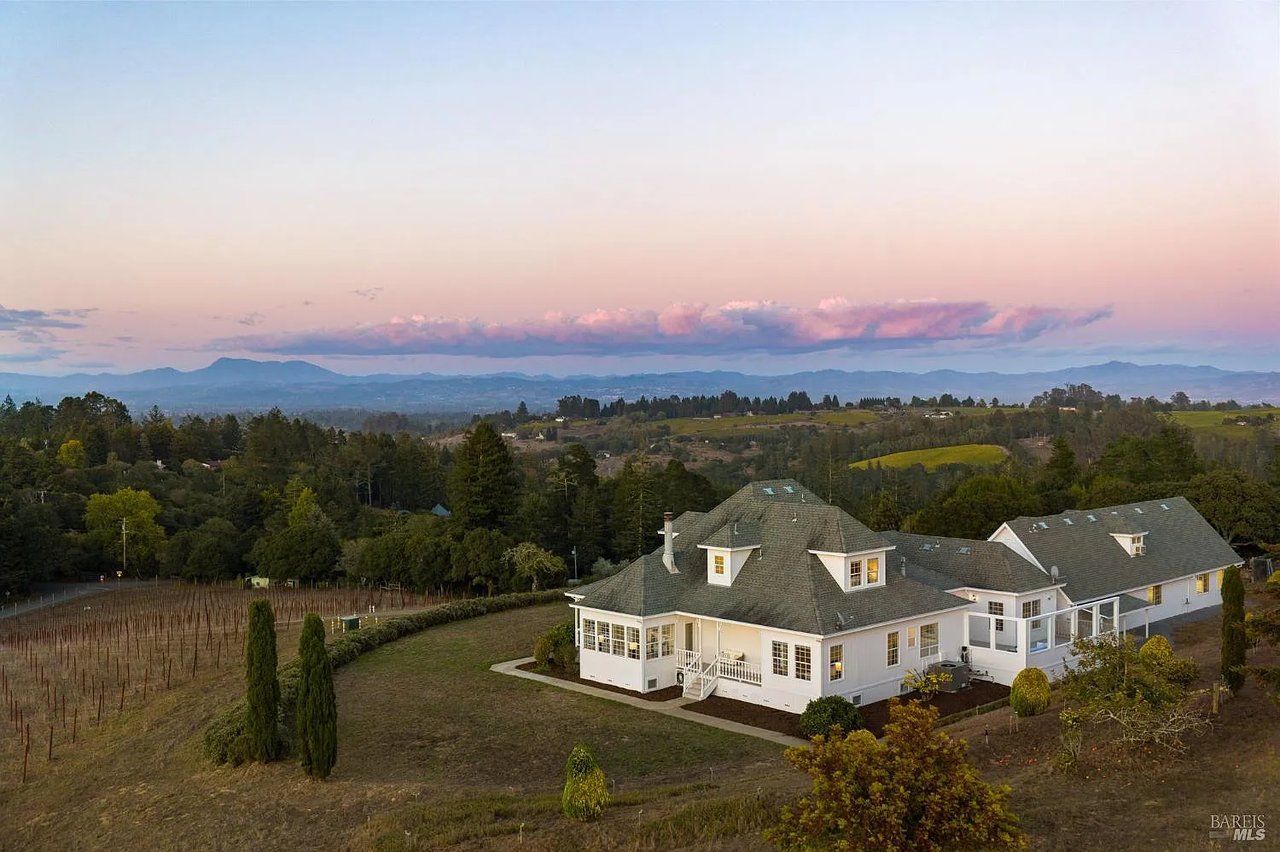
Sonoma County's AVAs shape both what a property can grow well and how it's perceived in the marketplace. In West Sonoma County, the three that come up most often are Russian River Valley (fog-cooled, well-drained soils in many locations, strong for Pinot Noir and Chardonnay), Green Valley of Russian River Valley (a cooler pocket with strong name recognition for cool-climate wines), and Sonoma Coast (marine-influenced, with prized but costlier-to-farm elevated parcels).
One thing buyers often assume incorrectly: AVA designation does not determine zoning. Whether you can plant, convert acreage, operate a winery, or run a tasting room is controlled locally through Permit Sonoma, not by which AVA the property sits in. And water — not price — is usually the real limiting factor on a vineyard purchase; well capacity, water rights, and yield testing deserve their own dedicated diligence beyond the general well check above.
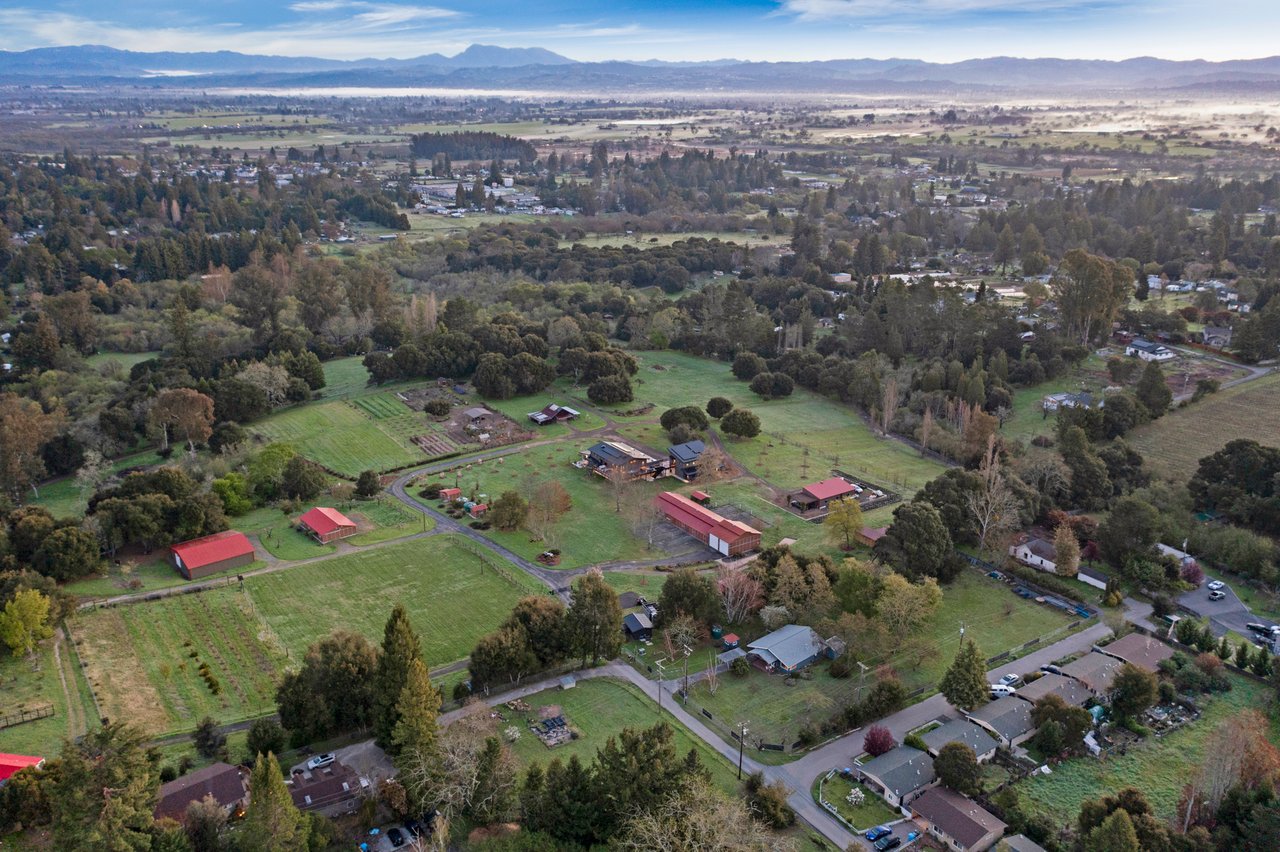
Horse property rules in Sonoma County are tied to zoning district rather than a flat acreage minimum. In Rural Residential zones, the baseline allowance is one horse (or cow, or five goats, or fifty chickens) per 20,000 square feet; in Agriculture and Residential districts, that same ratio applies under 2 acres, with no limit above that. Raising, boarding, and training your own horses on agriculturally zoned land requires no special permit, but boarding other people's horses does (a Zoning Permit for up to five horses, a Use Permit beyond that or for shows, clinics, and group lessons). Stables, barns, and covered arenas each need their own building permits, and a boarding operation needs a septic permit with a manure management plan.
For buyers, this means the right equestrian property isn't just about acreage, it's about confirming the zoning actually supports the use you intend, whether that's a private barn for your own horses or a boarding and training operation.
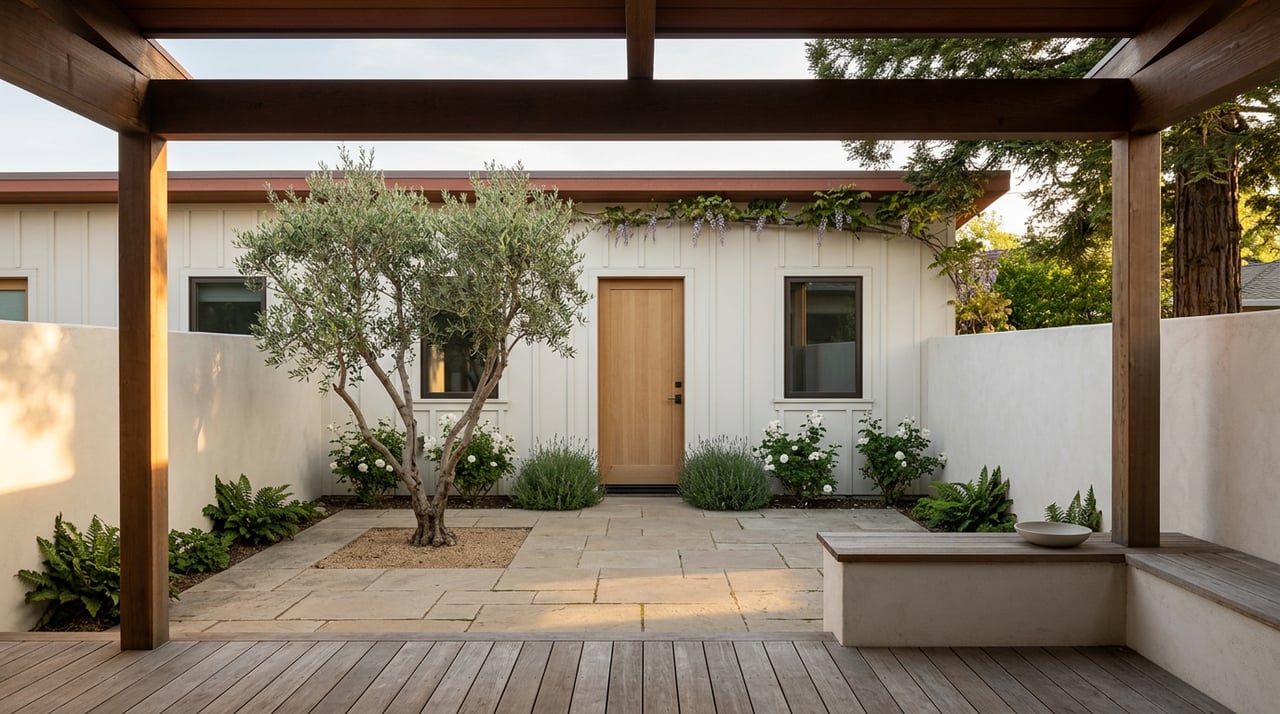
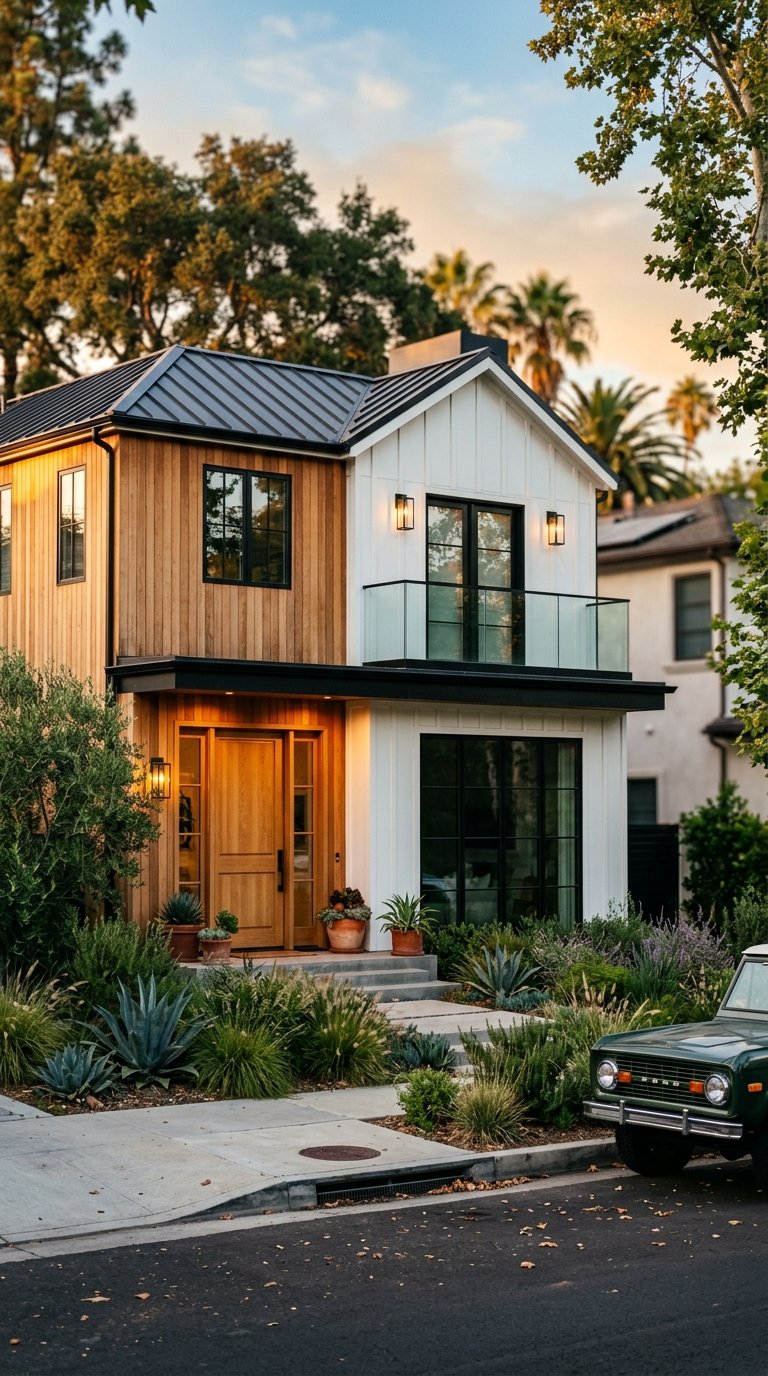
A newly built or extensively remodeled modern estate raises a different set of questions: was it built to current code, and does the septic and well capacity actually support the finished square footage and bedroom count? Significant renovations to a property that wasn't previously code-compliant can trigger full compliance upgrades — adding a bedroom, for instance, can require expanding septic capacity you didn't know was undersized. Grading and drainage permits also come into play for hillside or view-oriented sites, which describes a large share of the county's most striking modern architecture. I always want to see the full permit history on a modern estate, not just the finished product.
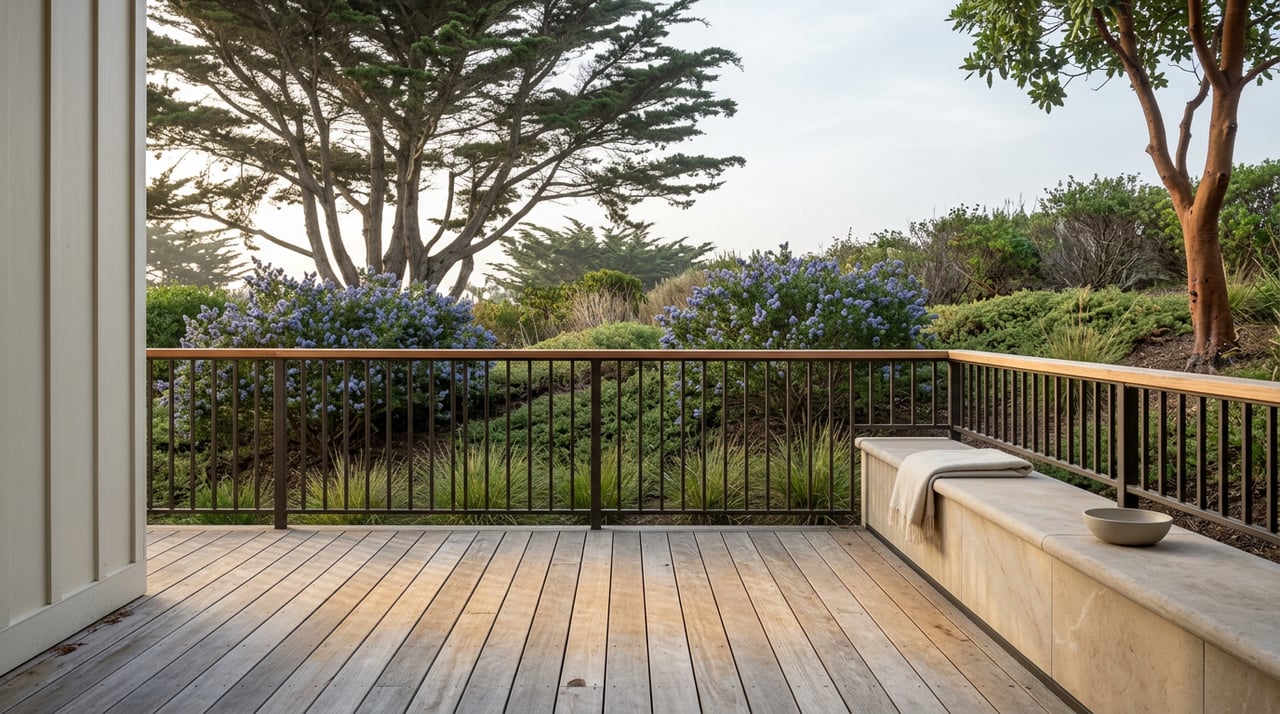
Property along the Sonoma Coast adds California Coastal Commission jurisdiction to the mix — new construction and many remodels within the coastal zone require a coastal development permit in addition to standard county permits, which can meaningfully affect timelines for any changes you plan. Coastal parcels also tend to be more demanding on the fundamentals: well yield and septic siting can be more constrained on smaller coastal lots, microclimates shift block by block along the coast, and geologic and erosion factors are worth a specific look before you commit. A coastal retreat is often as much about buying the right relationship to wind, fog, and slope as it is about buying square footage.
A classic Sonoma County farmhouse (original or lovingly restored) comes with its own diligence: is it in a historic district, and if so, what does that mean for approvals on future changes? Older wells and septic systems on legacy farm properties are exactly the ones most likely to need the full upgrade path described above, and permit history on older structures is often incomplete, which is itself useful information. The farmhouses that hold their value best are usually the ones where past renovations were done to code and are properly documented — something worth confirming before, not after, you fall for the wide-plank floors and the wraparound porch.
Every category above shares the same foundation — water, septic, and zoning — and then layers its own specific risks and opportunities on top. The buyers who do best are the ones who get real answers on both before they get emotionally attached to a property. If you're evaluating a vineyard, equestrian, modern, coastal, or farmhouse property anywhere in Sebastopol, Graton, Occidental, or the wider Sonoma Coast, I'm happy to walk the land with you and pull together the full picture before you write an offer.
Timothy Hedges, Broker Associate, Vanguard Properties, Sebastopol, CA 📞 (707) 696-7325 | 🌐 timothyhedges.com


If you're seeking a real estate professional who combines unparalleled dedication, market expertise, and genuine kindness, The Hedges • Davis Group is a perfect choice.

Timothy Hedges | CA DRE# 01368460
[email protected]
(707) 696-7325
6790 McKinley St #120
Sebastopol CA 95472